
A home runs smoothly when its systems are cared for before problems appear. Heating, cooling, plumbing, electrical, and exterior structures all work together to keep daily life comfortable and safe. When one area slips, it can quickly lead to larger and more expensive issues.
Most breakdowns do not happen overnight. They build slowly through missed maintenance, small warning signs, or delayed repairs. Paying attention early helps reduce stress, avoid sudden disruptions, and extend the life of essential home systems.
This guide breaks down practical ways to stay ahead of common home failures throughout the year. Each section focuses on a key area so you can understand what matters most and how to take action before issues grow.
Heating and Cooling System Care
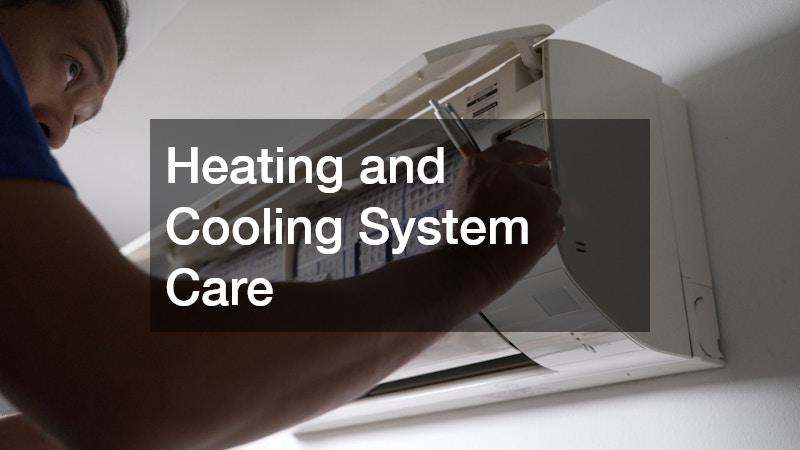
Comfort indoors depends heavily on consistent heating and cooling performance. Many homeowners overlook early warning signs until the system struggles during peak seasons.
Working with HVAC companies helps keep systems properly tuned and efficient throughout the year. Regular inspections can catch airflow issues, worn components, or thermostat problems before they turn into expensive repairs.
Small issues often show up first as uneven temperatures or rising energy bills. That is where timely attention makes a big difference. Scheduling routine service also helps reduce strain on equipment during extreme weather.
When performance starts to dip, calling for local hvac repairs can prevent a full system breakdown. Quick fixes often restore efficiency and help avoid larger mechanical failures.
Helpful maintenance habits include:
- Changing air filters regularly
- Keeping vents clear of furniture or dust buildup
- Listening for unusual noises during operation
- Monitoring airflow strength in each room
- Scheduling seasonal tune-ups before temperature shifts
A well-maintained system does not just improve comfort. It also lowers energy use and helps extend equipment lifespan, which reduces long-term replacement costs.
Furnace Efficiency and Seasonal Heating Reliability
Cold months put extra pressure on heating systems, especially older units. Small issues can escalate quickly if the furnace is not checked before heavy use begins.
A furnace repair service plays an important role in keeping heating systems reliable. Technicians can inspect burners, ignition systems, and heat exchangers to ensure everything is operating safely and efficiently.
Many breakdowns happen because of neglected wear over time. Dust buildup, loose components, and aging parts can reduce performance without obvious warning signs at first.
It also helps to stay alert to early indicators such as:
- Weak or inconsistent heat output
- Strange odors during operation
- Longer heating cycles than usual
- Sudden spikes in energy usage
Routine attention can prevent emergency situations during freezing weather. A well-functioning furnace reduces strain on the entire heating system and supports consistent indoor comfort.
Combining seasonal inspections with quick response to minor issues helps keep heating reliable all winter long.
Plumbing System Protection and Emergency Readiness
Water issues often escalate faster than any other home system failure. A small leak or blockage can quickly turn into structural damage if ignored.
When urgent problems arise, emergency plumbing services become essential. Fast response helps limit water damage, protect flooring and walls, and restore normal function quickly.
Common warning signs include slow drains, dripping fixtures, or sudden drops in water pressure. These symptoms often indicate deeper issues inside pipes or connections.
Preventive habits can reduce risk significantly:
- Checking visible pipes for corrosion or moisture
- Avoiding chemical drain cleaners that damage plumbing
- Monitoring water bills for unexplained increases
- Insulating exposed pipes in colder months
- Fixing minor leaks immediately instead of delaying repairs
Even small plumbing issues can affect other parts of the home, including electrical and structural systems. Staying proactive reduces the chance of major disruptions and costly restoration work.
Electrical Safety and Immediate Response Needs
Electrical systems are often taken for granted until something stops working or becomes unsafe. Faulty wiring or overloaded circuits can create serious hazards if not addressed quickly.
When sudden issues occur, an emergency electrician can respond to restore safety and prevent further damage. This includes handling power outages, burning smells, or sparking outlets.
An electrical contractor also plays a key role in routine inspections and long-term system safety. They help ensure wiring, outlets, and fixtures meet current safety standards.
Important signs to watch for include:
- Flickering or dimming lights
- Frequent breaker trips
- Warm or discolored outlets
- Buzzing sounds from panels or switches
Electrical issues should never be delayed. Early attention reduces the risk of fire hazards and protects sensitive appliances throughout the home.
Safe electrical habits include avoiding overloaded outlets and scheduling periodic system checks to keep everything functioning properly.
Electrical System Capacity and Upgrade Planning
As homes add more devices and appliances, older electrical systems may struggle to keep up. This often leads to frequent breaker trips or inconsistent power distribution.
An electrical panel upgrade helps modernize the home’s power system and supports higher energy demand safely. It improves reliability and reduces strain on outdated components.
Upgrading the panel also supports future expansions such as smart home devices, upgraded appliances, or home additions.
Signs that an upgrade may be needed include:
- Breakers tripping regularly
- Limited available outlets in rooms
- Flickering lights during appliance use
- Outdated fuse-based systems
A properly updated system improves energy flow and reduces the risk of overloads. It also provides peace of mind knowing the home can safely handle modern electrical needs without constant interruptions.
Roof Protection and Leak Prevention
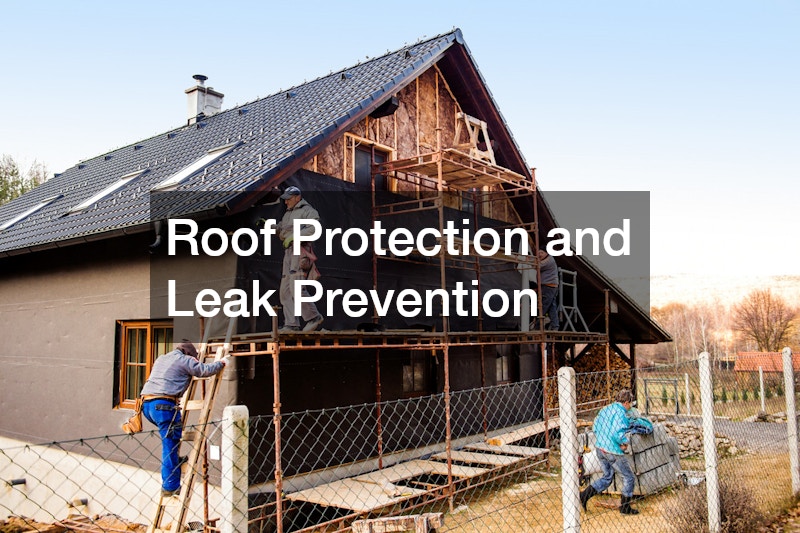
The roof is one of the most important protective barriers of any home. When it weakens, everything underneath becomes vulnerable to water damage and structural issues.
Routine attention to roofing helps prevent leaks, missing shingles, and long-term deterioration. Weather exposure, especially wind and heavy rain, gradually wears down materials over time.
When damage occurs, roof repair service helps address issues before they spread. Quick repairs can stop leaks from reaching insulation, ceilings, and interior walls.
Common warning signs include:
- Water stains on ceilings or walls
- Missing or curled shingles
- Granules are collecting in gutters
- Visible sagging areas
Regular inspection after storms helps catch damage early. Even small repairs can significantly extend the roof’s lifespan and protect the entire home structure.
Exterior Wall Protection and Weather Resistance
Exterior walls play a major role in protecting a home from wind, moisture, and temperature changes. When siding becomes damaged, it can allow water infiltration and energy loss.
Siding contractors help restore and maintain the exterior shell of the home. Proper installation and repair work improve insulation and reduce long-term maintenance issues.
Damaged siding often shows up as cracks, warping, or loose panels. These signs should be addressed quickly to avoid deeper structural problems.
Maintaining exterior walls helps:
- Improve energy efficiency
- Prevent moisture intrusion
- Maintain curb appeal
- Protect internal framing from damage
Strong exterior protection reduces the chance of hidden issues developing inside walls, which are often expensive to fix once discovered.
Insulation and Energy Loss Prevention
A well-sealed home reduces strain on heating and cooling systems while improving comfort. Insulation plays a major role in keeping indoor temperatures stable year-round.
Poor insulation leads to energy loss, uneven temperatures, and higher utility costs. Many homeowners do not realize how much energy escapes through small gaps in walls, attics, and floors.
Improving insulation helps reduce long-term wear on HVAC systems by maintaining more stable indoor conditions. It also supports better moisture control inside the home.
Simple improvements include sealing gaps around windows and doors, adding attic insulation, and checking for air leaks in less visible areas.
Drainage and Water Management Around the Home
Water management outside the home is just as important as indoor systems. Poor drainage can lead to foundation issues, basement leaks, and soil erosion.
Keeping gutters clear and ensuring proper water flow away from the structure helps prevent long-term damage. Even small blockages can redirect water toward the home instead of away from it.
Grading around the property should also support outward drainage. When water pools near the foundation, it increases pressure on the walls and can lead to cracks or leaks.
Regular seasonal cleaning and inspection help maintain proper flow and reduce risk during heavy rainfall.
Preventive Maintenance Planning for Year-Round Stability
Consistent maintenance is the simplest way to avoid major home system failures. Instead of reacting to emergencies, a planned schedule helps catch issues early.
A yearly routine can include heating checks before winter, cooling inspections before summer, plumbing reviews, and electrical system evaluations.
Helpful planning steps include:
- Setting seasonal reminders for system checks
- Keeping a log of repairs and inspections
- Addressing small issues immediately
- Reviewing energy usage trends
- Scheduling professional inspections annually
When systems are maintained regularly, breakdowns become less frequent and less severe. This creates a more predictable and comfortable living environment.
Appliance Maintenance and Load Management
Large household appliances often get overlooked during routine home care. Yet, they place a steady demand on electrical and plumbing systems. When appliances are not maintained, they can strain other components and lead to unexpected breakdowns.
Washers, dryers, refrigerators, and dishwashers all require periodic checks. Hoses, filters, and vents should be inspected to prevent leaks, overheating, or restricted airflow.
Simple ways to reduce strain on home systems include:
- Cleaning dryer vents to prevent overheating
- Checking appliance hoses for cracks or leaks
- Avoiding overloading washers and dryers
- Keeping refrigerator coils free from dust buildup
Appliances that run efficiently support the overall stability of the home. When they operate under less stress, surrounding systems are less likely to fail.
Seasonal Home Checklists That Prevent Surprises

Each season brings different challenges that affect how a home performs. Shifting temperatures, moisture levels, and weather conditions can expose weak points if systems are not prepared.
Creating a seasonal checklist keeps maintenance organized and manageable. It also helps prevent last-minute issues when the weather changes quickly.
A practical approach may include:
Spring:
- Inspect exterior surfaces for winter damage
- Clear gutters and check drainage paths
- Test cooling systems before warmer weather arrives
Summer:
- Monitor indoor cooling performance
- Check for signs of moisture buildup
- Inspect outdoor areas for sun-related wear
Fall:
- Prepare heating systems for colder months
- Seal gaps around windows and doors
- Clean debris from roofing and drainage areas
Winter:
- Watch for ice buildup and freezing risks
- Monitor indoor humidity levels
- Check for drafts or uneven heating
Following a seasonal plan keeps small issues from being overlooked. It also spreads maintenance tasks out, making them easier to manage throughout the year.
Early Warning Signs Homeowners Should Never Ignore
Most major repairs start with small signals that something is off. Recognizing these signs early helps avoid more serious damage.
Unusual sounds, smells, or changes in performance often point to underlying issues. Ignoring them can lead to more expensive repairs later.
Key warning signs include:
- Sudden increases in utility bills
- Persistent odors from vents or drains
- Cracks appearing on walls or ceilings
- Reduced airflow or uneven temperatures
- Water stains or damp spots in unexpected areas
These issues may seem minor at first, but they often indicate deeper problems. Taking action early allows for simpler, less costly fixes.
Budgeting for Maintenance Instead of Emergencies
Unexpected repairs can place a financial strain on any household. Planning ahead for maintenance costs helps reduce the impact of sudden breakdowns.
Setting aside a small monthly amount creates a reserve for inspections and minor repairs. This approach makes it easier to handle issues before they escalate.
Budget-friendly strategies include:
- Prioritizing preventive maintenance over major replacements
- Scheduling inspections during off-peak seasons
- Addressing small repairs before they grow
- Comparing service options for better long-term value
A proactive budget reduces stress and keeps home systems running more reliably. It also allows homeowners to make informed decisions instead of rushing during urgent situations.
Long-Term Benefits of Consistent Home Care

A home that receives regular attention performs better across every system. Heating, cooling, plumbing, and structural elements all benefit from consistent upkeep.
Over time, preventive care leads to fewer breakdowns and longer system lifespans. It also improves overall comfort, energy efficiency, and property value.
Homeowners often notice:
- More stable indoor temperatures
- Lower monthly utility costs
- Fewer unexpected repairs
- Improved reliability during extreme weather
Consistent care creates a stronger, more dependable home. Small efforts throughout the year build lasting results that protect both comfort and investment.
Preventing costly home system breakdowns comes down to consistency, awareness, and timely action. Each system in a home plays a role in overall comfort and safety, and small issues rarely stay small for long.
By staying ahead of maintenance, watching for early warning signs, and addressing problems quickly, homeowners reduce stress and avoid major repair costs. A steady approach keeps the home reliable through every season and helps extend the life of every major system inside it.