
A home needs consistent attention to remain comfortable, functional, and safe. Small issues often develop quietly, from a slow plumbing leak behind a wall to worn pavement near the front entrance. When homeowners overlook early warning signs, manageable projects can grow into expensive disruptions. Taking a proactive approach helps preserve everyday comfort while reducing the likelihood of unexpected repairs.
Effective property care involves more than fixing whatever breaks first. Indoor systems, structural components, exterior surfaces, and landscaping all affect one another. Poor drainage can contribute to foundation problems, while excess moisture can damage building materials and attract pests. Even improvements chosen for appearance, such as updated kitchen storage or decorative landscaping, should complement the home’s practical needs. Understanding how these projects connect makes it easier to set priorities, compare professional services, and plan improvements around a realistic budget. Prioritizing projects also helps you avoid undoing completed work when a related issue surfaces in another part of the property.
The following areas deserve regular attention, whether you’re settling into a new property or caring for a longtime family home. A thoughtful maintenance plan can make each project more purposeful and help your investment last.
Maintain Heating, Cooling, and Indoor Air Systems
Heating and cooling equipment works throughout the year to keep living spaces comfortable during temperature changes. Without routine attention, filters become clogged, components experience wear, and the system may work harder than necessary. Scheduling HVAC maintenance before the busiest heating and cooling seasons gives technicians an opportunity to inspect equipment, identify developing problems, and recommend appropriate adjustments.
Homeowners can support this work by replacing or cleaning filters according to the equipment manufacturer’s directions. Keeping supply vents clear of furniture, checking thermostat settings, and monitoring unusual sounds can also help reveal changes in performance. If some rooms consistently feel warmer or colder than others, ask a qualified professional to investigate rather than assuming the problem is simply the weather.
Ductwork deserves consideration, particularly when there’s visible debris, evidence of contamination, or a specific airflow concern. An air duct cleaning service may be appropriate in certain circumstances, but routine cleaning isn’t automatically necessary for every home. First determine whether the ducts are actually contributing to the problem and address any underlying moisture or filtration issues. Cleaning without correcting the source may provide only temporary results.
Keep records of service dates, equipment ages, and recommended repairs. These details help you anticipate replacement costs, evaluate warranties, and avoid repeating the same troubleshooting steps whenever a new technician visits. Regular attention to these systems supports both comfort and more predictable household expenses.
Respond Promptly to Leaks and Water Damage
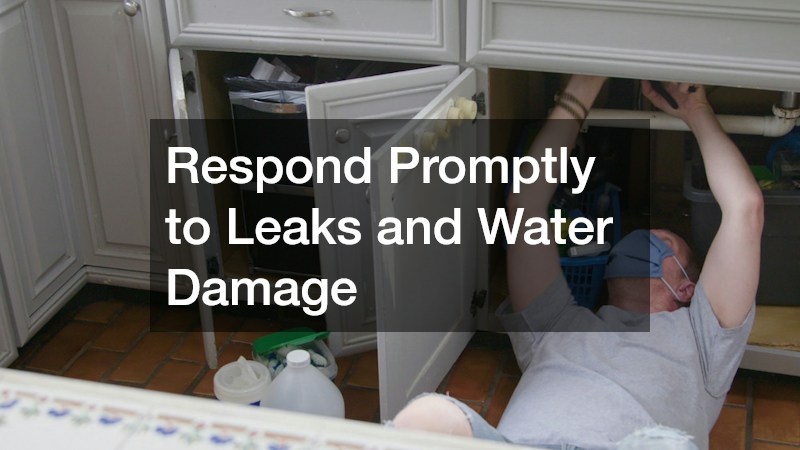
Water can enter a home through plumbing connections, roofing defects, appliance failures, or drainage problems outside. The visible stain on a ceiling or wall may represent only part of the affected area. Moisture can travel behind finishes, soak insulation, and weaken materials long before damage becomes obvious. Treat unexplained dampness, musty odors, or peeling paint as reasons to investigate.
When a leak occurs, stop the water source if it’s safe to do so, protect belongings, and document visible conditions. Electrical hazards or contaminated floodwater require particular caution. Professional assessment can determine which materials can be dried and which must be removed. Water damage repairs may include replacing drywall, repairing flooring, addressing compromised trim, and restoring surfaces after the source is corrected.
For significant incidents, local water damage restoration providers can assess moisture levels, establish drying procedures, and check areas that aren’t readily visible. Ask how they’ll document the work, confirm drying progress, and distinguish emergency mitigation from later reconstruction. This helps prevent confusion about the scope of service and potential insurance documentation.
After the immediate problem is resolved, focus on prevention. Inspect supply hoses, maintain gutters, monitor basement humidity, and learn where the main water shutoff valve is located. A simple leak detector near vulnerable appliances can provide an additional warning. Quick action and consistent follow-through can reduce disruption and help protect the home’s interior finishes.
Prevent Pest Activity Through Consistent Property Care
Pests often take advantage of conditions homeowners don’t notice right away. Gaps around utility lines, damaged screens, food debris, and damp storage spaces can create opportunities for insects or rodents. Rather than waiting for an infestation, inspect common entry points and correct factors that make the property appealing to unwanted visitors.
Begin with practical housekeeping. Store pantry goods in sealed containers, empty indoor trash regularly, and clean crumbs from less visible areas behind appliances. Repair leaking faucets and remove standing water where possible. Outside, keep vegetation from pressing against siding, maintain tight-fitting doors, and avoid stacking firewood directly against the house. These steps can make ongoing pest management more effective.
When activity persists, pest control services can help identify the species involved, locate entry routes, and recommend targeted treatment. Explain where you’ve seen activity, how often it occurs, and whether children or pets use the affected spaces. Ask the provider about treatment methods, preparation requirements, and follow-up visits before work begins. A clear plan should address the conditions encouraging pests, not just the immediate signs.
Pay special attention after water incidents or renovations, when previously enclosed spaces may become accessible. Monitor attics, basements, crawl spaces, and storage areas throughout the year. Consistent prevention supports cleaner living areas and can help homeowners avoid damage to insulation, wiring, and other vulnerable materials.
Monitor Foundations and Correct Drainage Problems
A home’s foundation supports the structure above it, but changes in soil moisture and drainage can affect its condition over time. Not every hairline crack signals a serious issue. However, widening cracks, uneven floors, sticking doors, or separation around windows may warrant professional evaluation, especially when several symptoms appear together.
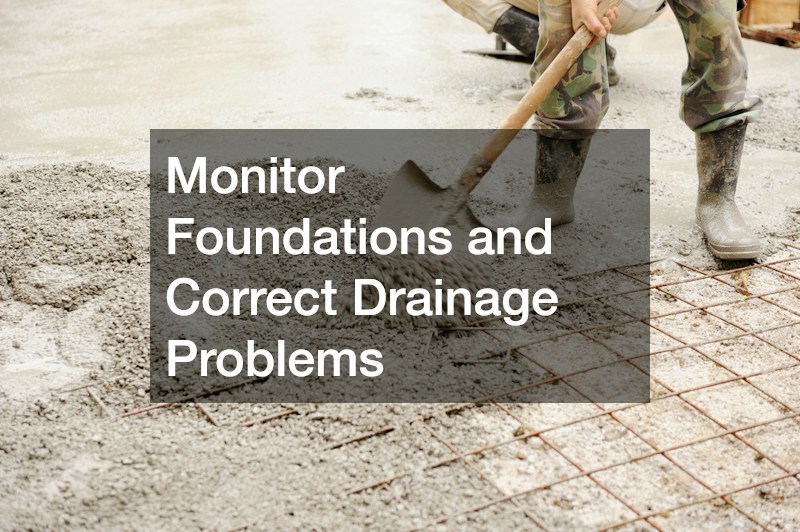
Walk around the property periodically and observe where rainwater collects. Downspouts should direct water away from the building, and the surrounding ground should generally encourage runoff rather than pooling near exterior walls. Keep gutters functioning and investigate persistent basement dampness. Addressing drainage problems early may reduce the strain placed on vulnerable areas.
If structural movement is suspected, arrange an assessment from an appropriately qualified professional before committing to foundation repair. Depending on the circumstances, an engineer may be needed to identify the cause and evaluate suitable solutions. Repair approaches vary based on foundation type, soil conditions, and the nature of the damage. A cosmetic patch won’t correct ongoing movement or water pressure.
Request an explanation of the findings, proposed work, expected limitations, and any monitoring needed afterward. Photographs and dated notes can help track changes between inspections. If an older inspection report is available, compare its observations with current conditions before deciding whether a crack represents new movement. Even when repairs aren’t immediately necessary, maintaining consistent drainage and monitoring visible concerns gives homeowners a stronger basis for future decisions.
Repair Driveways and Improve Safe Access
Driveways and walkways experience frequent pressure from vehicles, foot traffic, weather, and changing temperatures. Over time, cracks, low spots, and deteriorating edges can make access less convenient and allow additional water infiltration. Evaluating these surfaces regularly helps homeowners decide when a localized repair is sufficient and when larger improvements make sense.
Look for standing water after storms, loose material along the edges, and uneven transitions near sidewalks or garage entrances. Smaller cracks may be repairable, while widespread deterioration could indicate problems with the underlying base. Before planning driveway paving, discuss grading, drainage, material selection, and anticipated traffic with the contractor. The quality of preparation often influences how well the finished surface performs.
Consider daily use as well as appearance. A driveway should accommodate typical vehicles without creating unnecessary obstacles for people walking to the house. Clear sightlines, appropriate slopes, and accessible routes are worth discussing when replacing an older surface. If snow removal is common in your area, ask how the proposed material should be maintained during winter.
Keep heavy vehicles off newly installed pavement until the contractor recommends using it, and follow material-specific care instructions. Maintain nearby drainage so runoff doesn’t repeatedly undermine the edges. These decisions can help make exterior access more convenient while protecting the investment in a repaired or updated surface.

Plan Landscaping Around Function and Drainage
An attractive yard can also help manage water, protect outdoor surfaces, and make the property more pleasant to use. Before selecting plants or decorative features, assess sunlight, soil conditions, slopes, and the way people move through the space. A landscape that looks appealing on installation day may become difficult to maintain if these practical considerations are overlooked.
A local landscaping business can help homeowners develop a plan that balances appearance with seasonal upkeep. Discuss planting locations, mature plant sizes, irrigation needs, and drainage concerns before work begins. Trees placed too close to structures may eventually interfere with roofs or utilities, while dense growth against siding can complicate inspections and maintenance.
Hardscape materials can create defined areas without requiring constant mowing. For example, landscape rock may be useful along selected borders, drainage features, or low-maintenance planting beds. Its placement and underlying preparation matter, however. Rock shouldn’t be used to conceal drainage problems or piled against siding in ways that hold moisture near vulnerable materials.
Plan for ongoing care, including pruning, weed management, watering, and debris removal. Keep downspout outlets and drainage paths unobstructed as planting beds mature. Outdoor improvements work best when they enhance daily enjoyment while supporting the structural and maintenance needs of the house itself. Ask how the proposed layout will handle heavy rainfall and where excess water will flow once the project is complete.
Update Kitchen Storage for Everyday Convenience
A kitchen doesn’t need a complete renovation to become easier to use. Storage limitations, awkward layouts, and deteriorating surfaces can disrupt everyday routines even when appliances still function well. Start by identifying specific frustrations, such as crowded countertops, hard-to-reach shelves, or drawers that no longer open smoothly.
Installing new cabinets can improve organization, but measurements and layout decisions deserve careful attention. Consider where frequently used dishes, cookware, and pantry supplies belong. Pull-out organizers, adjustable shelving, and accessible drawer configurations may make storage more practical for people with different needs. Select materials and finishes based on expected use, cleaning requirements, and resistance to moisture.
Before replacing cabinetry, inspect nearby plumbing and walls for signs of leaks. Correcting an existing problem first prevents finished surfaces from being exposed to avoidable damage. If cabinetry changes involve moving sinks, appliances, or electrical outlets, coordinate the work with qualified tradespeople so the installation meets applicable requirements.
A focused update may also involve better task lighting, more convenient waste storage, or improved countertop organization. Compare the cost of refacing, repairing, and replacing existing units instead of assuming a full replacement is necessary. Thoughtful kitchen improvements should make everyday tasks simpler while fitting comfortably within the broader property maintenance budget.

Organize Maintenance Projects Into a Realistic Schedule
Managing a home becomes easier when responsibilities are organized rather than handled only during emergencies. Begin by listing essential systems, visible repair needs, and desired upgrades. Separate urgent safety concerns from preventive tasks and appearance-focused projects. Water intrusion, electrical hazards, and suspected structural movement generally deserve attention before cosmetic improvements.
Create a calendar that reflects the seasons and your property’s age. Spring may be a good time to check drainage and exterior surfaces, while fall often calls for heating system inspections and weatherproofing. Schedule periodic reviews of plumbing connections, pest entry points, landscaping, and household storage. Specific timing should reflect local conditions, manufacturer guidance, and professional recommendations.
Set aside funds for predictable upkeep and maintain a separate cushion for unexpected repairs. Collect written estimates when comparing larger projects, and clarify what each proposal includes. Ask about permits, warranties, cleanup, and how contractors will protect areas outside the immediate work zone. When multiple projects overlap, coordinate their order. For instance, drainage corrections may need to happen before installing new pavement or planting.
Finally, keep a simple record of completed work, photographs, receipts, and inspection findings. Review the list periodically and adjust priorities as conditions change. A steady, practical approach helps homeowners protect their property, improve daily comfort, and make thoughtful decisions about future investments without treating every maintenance need as a crisis.