The modern home is a complex ecosystem that manages temperature, humidity, and airflow. However, as residential construction has become more energy-efficient and airtight, indoor air pollutants can become trapped. Biological threats such as viral particles, bacteria, dust mites, and fungal spores can accumulate in a closed space. When systems degrade, the home can become a breeding ground for health hazards. Maintaining a pathogen-free indoor climate requires a holistic approach. Air quality, moisture control, and structural integrity are linked. A breakdown, like a roof leak or clogged pipe, can compromise air quality. Proactive upkeep reduces airborne threats, improves respiratory health, and maximizes energy efficiency.
Establishing a Strict Airflow and Filter Calibration Schedule
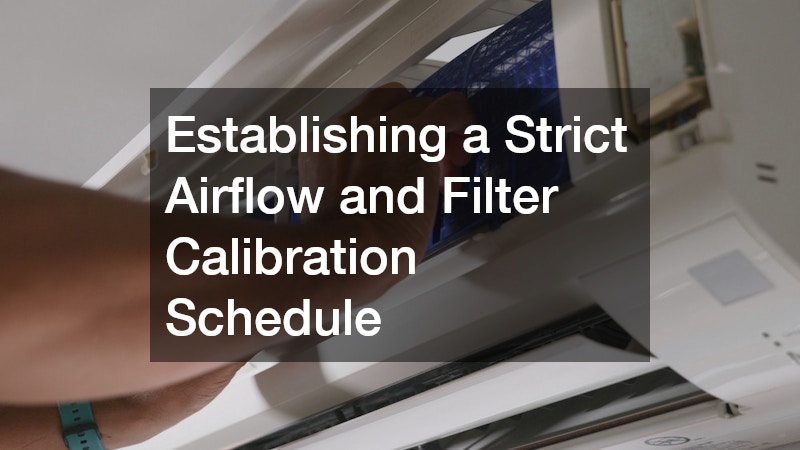
The mechanical respiratory system of your house is its heating and cooling setup. Continuous air movement is vital because stagnant air allows airborne viruses and bacteria to settle onto surfaces and concentrate in living areas. High-efficiency filtration acts as a physical shield, catching microscopic irritants before they can recirculate through your bedrooms and living rooms.
To optimize this protective layer, homeowners must establish a rigorous maintenance schedule focused on air filtration and system cleanliness. Standard fiberglass filters are generally insufficient for capturing pathogens; instead, opt for pleated filters with a Minimum Efficiency Reporting Value of 11 to 13. These higher-tier filters are dense enough to trap fine droplets, mold spores, and large bacteria without putting undue strain on your system blower.
- Inspect filters every thirty days, particularly during peak summer and winter usage, replacing them immediately if a gray layer of dust is visible.
- Vacuum around return air grilles weekly to stop large debris, pet dander, and hair from overloading the primary filtration media.
- Schedule professional bi-annual checkups in the spring and fall with certified HVAC contractors to deeply clean the internal evaporator coils and heat exchangers, where condensation otherwise allows bacterial biofilms to form.
Regular system tune-ups do more than just protect your health; they preserve the mechanical integrity of the equipment. When dust blankets internal components, the system must work twice as hard to push air, causing energy consumption to skyrocket and components to wear down prematurely.
Upgrading Outdated Infrastructure for Superior Airborne Protection
There comes a point where simple maintenance and filter changes cannot overcome the limitations of an aging, degraded heating or cooling system. Older units often struggle with short-cycling, a phenomenon where the system turns on and off rapidly without staying running long enough to properly dehumidify the air. This leaves behind a sticky, humid environment where dust mites and biological pathogens thrive.
When an indoor climate system approaches the end of its operational lifespan, investing in modern, variable-speed technology becomes a necessity for health and efficiency. Newer systems run on lower, continuous speeds rather than a harsh on-and-off cycle. This constant, gentle circulation ensures that the air is continuously passed through your high-efficiency filters and air purification attachments, keeping pathogen counts remarkably low.
- Assess the age and performance of your cooling apparatus; if the unit is over a decade old and requires frequent refrigerant top-offs, an air conditioning replacement will drastically improve humidity extraction and air purity.
- Look for modern indoor air quality add-ons during a system overhaul, such as whole-home ultraviolet germicidal irradiation lights that actively neutralize viruses as they pass through the ductwork.
- Evaluate your cold-weather heating setup to ensure it can support advanced filtration; investing in modern furnace installations allows you to utilize smart blowers that circulate air silently and efficiently, even when the system isn’t actively heating the home.
Transitioning to modern heating and cooling infrastructure results in immediate energy savings, often cutting monthly utility costs significantly while providing a level of microscopic filtration that older models simply cannot match.
Eradicating Stagnant Pools with Proactive Pipe Management
Water is the primary catalyst for biological life inside a home. While controlled water is essential, uncontrolled moisture from minor leaks or sluggish pipes creates a direct threat to a clean indoor climate. Standing water and hidden wet spots provide the ideal environment for biological colonies to take root, releasing volatile organic compounds and spores directly into the air.
Hidden plumbing leaks inside walls or beneath cabinets are especially insidious because they can remain undetected for months, quietly rotting drywall and timber. Homeowners must adopt a defensive stance toward their water infrastructure, checking vulnerable areas regularly and reacting quickly to any signs of moisture anomaly.
- Examine the base of your water heater, underneath kitchen and bathroom sinks, and around toilet bases on the first day of every month for dampness or discoloration.
- Utilize a professional plumbing service once a year to perform comprehensive pressure testing and thermal imaging, which can pinpoint slow, hidden weeping leaks behind structural walls before they ruin your air quality.
- Install smart water leak detectors in high-risk zones, such as behind the washing machine and under the refrigerator ice-maker line, to receive instant alerts on your smartphone the moment moisture is detected.
Keeping your pipes sound ensures that moisture stays contained within the drainage system, depriving airborne pathogens of the sustained water source they need to multiply.
Clearing Organic Build-Up to Prevent Contamination
The drainage paths leaving your home are as critical to air purity as the pipes bringing clean water in. Over time, hair, soap scum, grease, and food particles accumulate inside drain lines, creating a thick layer known as a biofilm. This sludge is an ideal breeding ground for bacteria and fungi. When water runs down a dirty drain, the impact can aerosolize these organisms, tossing them into the bathroom or kitchen air.
Slow-moving drains are an early warning sign that a major biofilm colony has established itself inside your piping. Ignoring a sluggish sink or tub doesn’t just invite a total backup; it continuously compromises the air quality in the immediate vicinity.
- Flush your kitchen and bathroom drains weekly with a gallon of boiling water followed by a cup of baking soda and white vinegar to naturally break down organic residues.
- Clean out sink pop-up stoppers and shower hair traps manually every two weeks to remove the physical matrix where bacteria anchor themselves.
- Enlist professional drain cleaning services to clear out stubborn main line obstructions using hydro-jetting technology, which scrubs the interior pipe walls completely clean of organic buildup.
By keeping your waste lines completely clear, you remove a major, hidden source of indoor bacterial amplification and keep your home smelling fresh and clean.
Defending the Roofline Against Biological Intrusion
The exterior of your home is its first defense against weather and outdoor hazards. The roof endures environmental stress, such as heat, freezing, rain, and wind. Even minor damage can let water into the attic or ceilings, starting decay.
Attics are usually dark, warm, and poorly ventilated, making them a perfect incubator for fungal growth once moisture enters. Because of the natural airflow patterns within a home, contaminated air from the attic can easily find its way down into your main living spaces through light fixtures, attic hatches, and drywall seams.
- Conduct a ground-level inspection of your roof line after every major storm, using binoculars to check for missing, cracked, or lifting shingles.
- Clear leaves, pine needles, and debris from gutters and downspouts every autumn and spring to prevent water from backing up beneath the lower edge of the roof.
- Invest in a professional roof repair service at the first sign of an attic leak or damaged flashing to secure the structure and keep moisture out of your home’s overhead framing.
Maintaining a dry, well-ventilated attic stops fungal spores from getting a foothold above your head, protecting both the structural wood of your home and the air you breathe every day.
Eliminating Drafts and Condensation Around Wall Openings

Windows offer light and ventilation, but can also be weak points in your home’s defenses. The caulking and weatherstripping around window frames degrade over time due to sun and temperature changes, allowing humid air, allergens, pollen, and spores to bypass indoor filtration systems.
Furthermore, when older windows lose their insulating properties, the glass becomes cold during the winter months. When warm, humid indoor air hits this cold glass, condensation forms along the pane and pools in the wooden or vinyl sill below. This chronic pool of water creates a localized moisture zone where black fungal spots can appear right next to your living spaces.
- Wipe down window frames and sills weekly during cold weather to remove any pooled condensation before it can trigger biological activity.
- Apply high-quality exterior silicone caulk around the perimeter of all window frames every three to five years to block moisture and draft entry points.
- Arrange for professional window repairs or glass replacements to fix compromised units, re-establish proper insulation values, and eliminate chronic condensation zones.
Sealing up your window openings keeps your indoor relative humidity stable and ensures that all air entering your home goes through your chosen filtration pathways.
Stopping Rising Damp and Sub-Surface Microbes
The lowest points of your home—the basement or crawlspace—have an enormous impact on the air quality of your upper floors. This is due to a natural principle called the stack effect. Warm air inside the home rises and escapes through the roof, creating a vacuum that pulls air upward from the basement or crawlspace into the main living quarters. If the air downstairs is damp and filled with earth-borne pathogens, that is exactly what you will breathe upstairs.
Because foundations sit directly in wet soil, they are under constant hydrostatic pressure. Groundwater can seep through porous concrete or fine structural cracks, leaving the floors and walls of your basement damp. Addressing foundation moisture is a critical priority for establishing a clean, pathogen-free indoor climate.
- Grade the soil around your home’s exterior so it slopes away from the foundation wall at a rate of six inches over the first six feet.
- Extend downspout wrap-arounds to carry roof runoff at least ten feet away from the base of your home’s structure.
- Contact a structural contractor for professional foundation repairs if you discover settling cracks or persistent wet spots along the floor-wall seams.
By keeping the basement floor and walls bone-dry, you break the cycle of the stack effect, ensuring the air pulled up into your home is clean and dry.
Defeating Out-of-Control Spore Colonies in Damaged Spaces
If moisture issues are left unaddressed for too long, biological colonies can establish a significant foothold in drywall, carpeting, or wood framing. Once a colony grows large enough to be visible or produce a musty odor, simple surface cleaning with household bleach is no longer enough. Scrubbing porous materials often just triggers the colony to release millions of defense spores into the air, spreading the contamination across the house.
Dealing with deep-seated biological contamination requires strict containment protocols. The source of the moisture must be completely cured, and the affected structural elements must either be safely removed or treated with specialized antimicrobial sealants.
- Isolate the contaminated area from the rest of the house by sealing doors and HVAC registers with heavy plastic sheeting and tape.
- Run a commercial-grade air scrubber fitted with a true HEPA filter within the workspace to capture airborne spores continuously during cleanup.
- Hire an experienced professional firm specialized in certified mold remediation to handle extensive infestations, ensuring the threat is eradicated safely without cross-contaminating clean areas of the home.
Taking a serious, structured approach to biological cleanup ensures that these airborne irritants are permanently removed from your domestic environment.
Securing Transition Zones Against Pests and Outdoor Air Pull
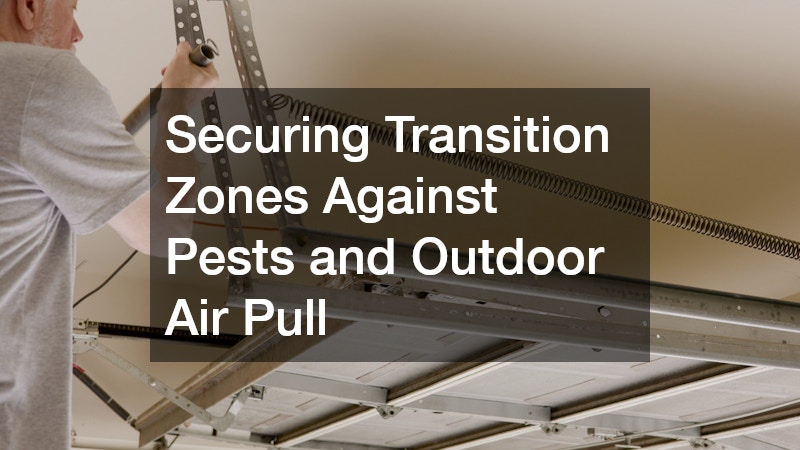
The garage is an often-overlooked area that directly affects your indoor climate. Attached garages share structural walls and entry doors with your main living areas. Garages often hold cars, lawnmowers, paints, and solvents, alongside outdoor dust and pests that bring in bacteria. If the seal between the garage and the main house is weak, harmful fumes and particulate matter can seep into your living spaces.
Additionally, if a garage door does not close tightly against the floor and frame, it permits rain, wind, and pests to enter. This creates a messy, humid buffer zone right against your living space wall, making it much harder to maintain a stable, clean climate inside.
- Check the weather seals on the fire-rated door leading from the garage into your home, ensuring it closes and latches completely automatically.
- Store all lawn chemicals, fertilizers, and gasoline containers in airtight storage bins or a separate outdoor shed rather than on the garage floor.
- Invest in a prompt garage door repair if the tracking aligns poorly or the bottom seal fails to meet the driveway evenly, keeping the space sealed against weather and pests.
Treating the garage as a secure transition zone helps shield your indoor air filtration equipment from unnecessary stress and preserves your home’s air purity.
Creating a clean, efficient, and pathogen-free indoor environment involves balancing physical barriers, structural care, and mechanical filtration. No single adjustment can secure a home against biological contaminants. True safety comes from understanding how your roof, plumbing, foundation, windows, and ventilation systems manage airflow and moisture. Regular home inspections, prompt action on moisture, and timely upgrades to mechanical equipment help prevent viruses, bacteria, and fungi from settling or growing. This approach reduces energy consumption, safeguards property value, and delivers clean, healthy air for everyone inside.