Most homeowners are quick to notice dramatic problems. A leaking ceiling, a broken window, or a flooded basement immediately gets attention because the danger is obvious. The issues that often cause the most expensive and stressful damage, however, are the quieter ones. They develop slowly behind walls, beneath floors, around foundations, or inside systems that people rarely inspect closely.
A home can appear perfectly functional while hidden hazards steadily worsen in the background. Poor drainage may weaken structural supports for years before cracks appear. A neglected ventilation system can quietly lower indoor air quality until allergies, headaches, or respiratory irritation become part of everyday life.
These overlooked issues matter because they affect more than comfort. They influence household health, repair costs, energy efficiency, and personal safety. Many of them also become significantly more expensive when left unresolved for too long.
The good news is that most hidden property risks can be managed early with consistent observation and preventive maintenance.
Recognizing Hidden Threats Inside Older Homes

Older homes often have character and craftsmanship that newer properties lack, but age also introduces risks that are easy to overlook. Materials that were once considered standard may no longer meet modern safety expectations, especially when they begin deteriorating.
Understanding How Aging Materials Affect Indoor Environments
Many homeowners start renovation projects with cosmetic goals in mind. During those projects, hidden hazards sometimes emerge unexpectedly.
Cracked insulation, brittle floor tiles, and deteriorating textured ceilings can release harmful particles into the air when disturbed. This becomes especially concerning in homes built decades ago, where certain construction materials may contain substances now recognized as hazardous.
One of the biggest mistakes homeowners make is attempting demolition without fully understanding what older materials contain. Even a small remodeling project can create airborne contaminants that spread throughout the house if proper precautions are not taken. Professional asbestos abatement becomes important when testing confirms the presence of hazardous materials during renovations or repairs.
The risk is not always dramatic or immediate. Exposure problems often develop gradually over time, which is part of what makes them so dangerous.
A careful approach helps reduce unnecessary risk:
- Avoid disturbing suspicious materials before testing
- Seal off renovation areas from occupied rooms
- Use proper ventilation during demolition work
- Hire qualified professionals for removal when needed
Some homeowners assume that if a material looks intact, it must also be safe. Unfortunately, aging materials can become fragile over time, even without obvious damage. Minor vibrations from sanding, drilling, or tearing out cabinets may release particles into the surrounding air. That is why professional testing before large remodeling projects is often a worthwhile investment.
Paying Attention to Airflow and Ventilation Problems
Indoor air quality problems are rarely caused by one issue alone. Poor airflow allows dust, moisture, and contaminants to circulate repeatedly throughout the house.
Homeowners sometimes normalize warning signs without realizing it. Rooms that always feel stuffy, lingering odors near vents, or uneven temperatures throughout the home may indicate deeper ventilation issues.
An experienced AC company can identify problems homeowners may overlook, including clogged ducts, restricted airflow, dirty evaporator coils, or aging components that affect circulation.
Even simple habits make a noticeable difference. Replacing filters regularly, keeping vents unobstructed, and monitoring humidity levels can help prevent small air quality concerns from becoming major household problems.
Homes with pets, heavy carpeting, or limited natural ventilation often need more frequent inspections. Dust and allergens accumulate faster in these environments, especially during periods when windows remain closed for long stretches of time. Improving circulation can reduce indoor odors, improve comfort, and support healthier breathing conditions throughout the home.
Preventing Outdoor Surfaces From Becoming Safety Risks
Outdoor maintenance tends to focus heavily on appearance. What often gets ignored is how quickly neglected exterior surfaces can become legitimate safety hazards.
Reducing Slip Hazards Around Walkways and Driveways
A driveway may look harmless until the first rainy morning when algae-covered concrete becomes dangerously slick.
Mold, mildew, moss, oil stains, and compacted debris create traction problems around entrances, patios, walkways, and pool areas. These hazards become especially risky for children, older adults, and visitors unfamiliar with the property.
Regular cleaning significantly improves surface safety. Scheduling a professional pressure washing service helps remove buildup that household hoses and casual scrubbing cannot fully eliminate.
Homeowners should pay special attention to:
- Shaded patios where algae spreads quickly
- Pool decks exposed to constant moisture
- Entry paths affected by clogged gutters
- Uneven walkways that trap standing water
Seasonal weather changes also affect outdoor safety. Leaves that collect during the fall may trap moisture against concrete surfaces, while humid summer conditions encourage rapid algae growth. Regular inspections after storms or long periods of rain can help homeowners identify slippery areas before accidents occur.
In colder regions, freeze-and-thaw cycles may create additional hazards by widening cracks in sidewalks and driveways. Water enters small openings, freezes overnight, and slowly expands the damaged area. What starts as a barely visible crack can eventually create an uneven walking surface that increases the risk of trips and falls.
Maintaining Secure Boundaries Around the Property
Fencing problems are another issue homeowners frequently postpone. A leaning section or rusted panel may seem cosmetic at first, but damaged fencing affects both safety and security.
Weak fencing can create risks for pets, children, and neighboring properties. Loose sections may collapse during storms, while gaps allow unwanted access into yards or pool areas.
A reliable chain link fence company can evaluate weak points that homeowners may not immediately recognize, including corroded posts, unstable anchors, or improperly tensioned sections.
Fence inspections are especially important after severe weather. High winds and heavy rain often weaken supports gradually, even when visible damage appears minor.
In some neighborhoods, fencing also plays an important role in privacy and liability protection. A damaged boundary near a pool, playground, or steep slope may increase the risk of injuries involving visitors or neighboring children. Small repairs completed early are usually far easier and less expensive than replacing entire sections later.
Responding Quickly to Hidden Plumbing and Water Problems
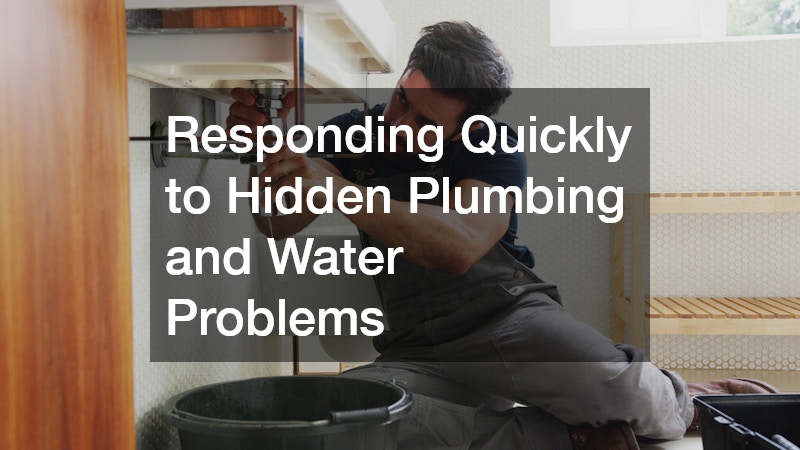
Water-related issues rarely stay small for long. What begins as a slow drain or slight pressure change can eventually damage flooring, weaken foundations, or create unhealthy moisture conditions inside the home.
Watching for Early Signs of Water Supply Trouble
Many homeowners ignore subtle plumbing changes because the system still technically works. Water pressure fluctuates slightly, faucets sputter occasionally, or sinks take longer to clear.
Private water systems require especially close attention. Homes relying on wells can experience declining water pressure or inconsistent performance long before complete system failure occurs.
Delaying well pump repair increases the likelihood of larger complications. Pumps forced to work under strain often consume more energy while becoming less reliable.
Certain warning signs deserve immediate attention:
- Air spurting from faucets
- Sudden pressure loss
- Muddy or discolored water
- Frequent cycling of the pump system
Preventive inspections are usually far less expensive than emergency replacements.
Homeowners should also pay attention to changes in water taste or odor. Metallic smells, unusual discoloration, or sediment buildup may indicate issues developing within the water system. Even if the problem seems minor, testing and inspection can help identify concerns before they affect household safety or appliance performance.
Addressing Slow Drains Before Damage Spreads
Slow drains are easy to rationalize. Many people assume the issue is temporary or caused by minor debris buildup. Repeated clogs, however, often indicate larger problems deeper within the plumbing system.
Professional pipe cleaning helps remove hidden buildup before blockages create serious sanitation concerns. It also allows technicians to identify structural weaknesses that may eventually lead to leaks or pipe collapse.
Some homeowners unknowingly worsen drainage issues by relying too heavily on chemical cleaners. While these products may provide short-term relief, repeated use can damage older plumbing materials and mask underlying problems.
Kitchen drains often experience the worst buildup because grease and food particles accumulate slowly over time. Bathroom drains may collect soap residue, hair, and mineral deposits that restrict water flow gradually. Establishing a preventive maintenance schedule helps reduce emergency plumbing calls and keeps the system operating more efficiently.
Protecting Structural Stability Through Better Drainage
Structural damage often develops quietly. Minor moisture issues around the property exterior may seem harmless for years before significant cracking or settling becomes visible.
Identifying Wastewater Problems Before They Escalate
Few homeowners think about wastewater systems until something goes wrong. Unfortunately, by the time odors or backups become obvious, the underlying issue may already be extensive.
Neglected septic systems create both environmental and household safety risks. Wastewater problems can contaminate the surrounding soil, damage landscaping, and expose residents to harmful bacteria.
Common warning signs include soggy patches in the yard, persistent odors, or slow household drains occurring simultaneously.
Homeowners should also avoid habits that strain the system unnecessarily, such as flushing non-biodegradable materials or overloading drains with grease.
Improving Exterior Drainage Around the Home
Water management outside the home affects nearly every part of the structure. Poor grading, clogged gutters, and improper runoff patterns gradually weaken foundations, patios, and retaining walls.
Durable materials such as aluminum are often used in gutters, flashing, and drainage-related structures because they resist corrosion while remaining lightweight and long-lasting.
Improving drainage does not always require major construction. Often, practical adjustments produce meaningful results:
- Extending downspouts away from the foundation
- Regrading soil around low areas
- Cleaning gutters seasonally
- Installing splash blocks where runoff concentrates
Improving Household Safety Through Better Climate Control

Heating and cooling systems influence much more than temperature. When neglected, they can contribute to fire hazards, poor air quality, excessive humidity, and rising energy costs.
Recognizing When Airflow Problems Signal Larger Risks
Many HVAC issues begin quietly. A room feels warmer than usual. Dust accumulates faster near vents. Energy bills slowly climb month after month.
Dirty filters are one of the simplest yet most overlooked maintenance issues. Restricted airflow forces equipment to work harder, increasing strain on motors and electrical components.
Experienced HVAC contractors often discover problems homeowners never notice directly, including leaking ductwork or overheating electrical connections.
Poorly maintained systems may increase fire risks or worsen respiratory conditions by distributing allergens and contaminants indoors.
Building Preventive Maintenance Into Seasonal Routines
The most effective home maintenance habits are usually consistent rather than dramatic.
A strong seasonal routine may include replacing filters, clearing debris around outdoor units, monitoring humidity levels, and paying attention to unusual noises or airflow changes.
These simple observations often reveal problems long before expensive breakdowns occur.
Maintaining Safer Backyard Recreation Areas
Outdoor recreation spaces add comfort and value to a property, but they also introduce hidden risks when maintenance falls behind.
Evaluating Pool Areas for Overlooked Hazards
Pools naturally attract attention during warm weather, yet many homeowners focus more on water clarity than on surrounding safety conditions.
Cracked decking, loose railings, poor lighting, and damaged drainage systems all increase accident risks around pool areas.
An experienced swimming pool contractor can identify structural concerns homeowners may miss, including unstable coping, failing drains, or deteriorating support materials beneath surrounding surfaces.
Small improvements often create meaningful safety benefits, including repairing uneven deck surfaces, improving lighting, and securing gates consistently.
Extending the Life of Outdoor Living Spaces
Patios, decks, and outdoor entertainment areas endure constant exposure to weather. Sun, moisture, temperature changes, and storms gradually weaken materials even when damage is not immediately visible.
Loose railings, soft deck boards, rusted hardware, and unstable stairs should never be ignored. These issues rarely improve with time and often worsen faster than expected after severe weather events.
A practical inspection routine after storms can help identify developing hazards early.
Creating a Long-Term Strategy for Home Safety

Home safety is rarely determined by a single repair or major renovation. More often, it depends on consistent attention to the smaller issues people are tempted to postpone.
The most dangerous property problems usually begin quietly. A damp corner in the basement, a slow drain, or slightly uneven airflow between rooms may not seem urgent at first, which is exactly why these issues are often ignored until the damage becomes significant.
Preventive maintenance works best when it becomes part of normal homeownership rather than an emergency response. Walking through the property regularly, paying attention to subtle changes, and scheduling inspections before problems escalate can dramatically reduce long-term costs and safety risks.
Homeowners who stay proactive usually spend less time dealing with emergencies and more time enjoying their homes with confidence.